Packing Light, Eating Well

It is no surprise that when you are on the trail, you need to stay energized. The constant burning of calories needs to be replenished, and with foods and snacks that are high in usable fuel.
This is especially important for longer day hikes and more specifically any backpacking trek that will last more than a day. The inherent problem is that there are no stores, restaurants or minute shops along the trail. This is especially important for longer day hikes and more specifically any backpacking trek that will last more than a day. The inherent problem is that there are no stores, restaurants or minute shops along the trail.
So now, the real battle starts before the first mile is even attempted…
This is a two-edged sword of reducing pack weight as much as possible, while at the same time increasing healthy and usable caloric intake to the max.
The concept of packing light is nothing new to anyone who has done any amount of hiking or backpacking. As an adventurer’s trail count increases, so does their understanding of how important weight reduction truly is. While money can address many of the low hanging fruit in weight reduction, it can’t take you all the way. There is no shortage of highly designed gear to reduce pack weight, and the sky is the limit. The essentials of your trail pack can often be brought around the 10-15 pound goal. Sticking with just the essentials, and the lightest weight available options, will have your core pack ready to take you as far as you need.
This weight reduction goes a long way because it can reduce the amount of calories you expel, which results in more miles per feeding. A lighter pack reduces the amount of energy needed to carry said pack. A light pack will also reduce the strain on your body as you move down the trail. Another benefit is that you are more agile on the trail. The lighter the pack, the quicker you can move and react on the trail. This is especially important for more backwoods trails that may not be well leveled or maintained. Overall, the lower the pack weight, the better equipped you are for the trail. Every ounce counts, but the last obstacle standing in your way could be food and water weight.
Once your pack is dialed into your perfect standard, the weight is fixed. The new variable becomes the food, and even more, the water. For day hikes this isn’t always the main concern. The further you move along the trail, the lighter your pack will become. The problem is extended or multi-day hikes and even small backpacking routes. In these situations, you must balance a menu that will keep you moving for days at a time. Dehydrated foods and snacks have come a long way…. but water is the most important thing to pack, and the heaviest. There isn’t really a way to reduce the weight of the water…. Other than to reduce how much you bring. There isn’t much room for playing around here.
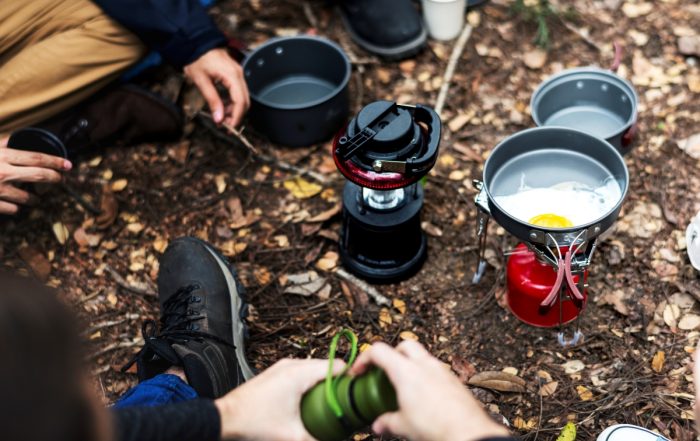
Your body needs a set amount of water to continue to move you down the trail. Further, even though you reduced weight by bringing dehydrated foods, some of those will need water to be cooked, thus somewhat canceling the benefit. Finding the perfect mix that works for you will take time to test on the trail and find exactly what your trail menu will look like. The best place to start is in the kitchen… with a scale. Below are some general tips to get you in the right direction to start finding your perfect trail menu.
Tips for Weight Reduction with Food:
- Dehydrated foods maintain the energy of their standard form but have a reduced water weight. If you have to rehydrate a particular food, there may be a better option. For trail snacks, dehydrated fruits and jerky are great. For dinners, dehydrated beans may not be worth it.
- High-energy small foods keep space consumption and weight down, while keeping caloric intake up. Popular in this category would be nuts, fruits, and other dried foods.
- Determine what you can stand… repeatedly. While you may find a great snack or dinner that keeps weight down and intake high… can you eat it every day for a 7 day stint. Be mindful of what you may get tired of and how often you can stand to eat it.
- Determine the portion size in advance. This is where more research in the kitchen will pay off. It’s better to understand what portion sizes you need to sustain you over a specific number of miles or per day. Trying new foods on a longer day hike will allow you to reflect on whether that meal left you hungry, or energized. It’s better to reflect on this in bed at home, rather than on the trail with days more to go.
Tips for Water on the Trail:
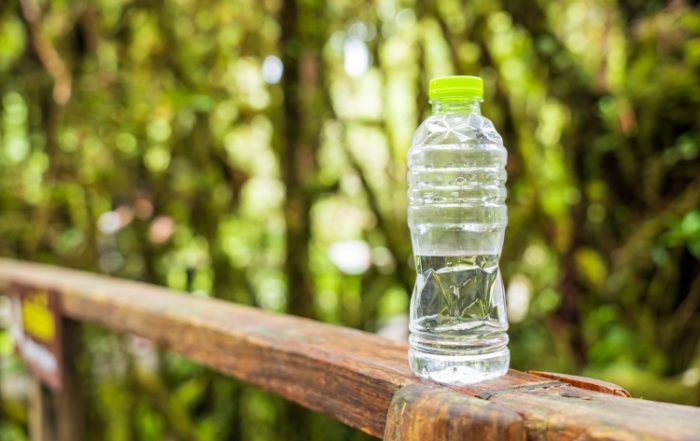
- Know what your daily water intake looks like before you start planning longer hikes of backpacking outings. Start with standard intake variables for your weight. From there you can experiment on day trips, and determine if you can deal with less, or need more.
- Investigate supplements to add to water. There is no shortage of dietary supplements in the powder form that can be added to water. This is barely adding weight, but can help increase energy and stamina for the trail.
- For longer trails, cross reference water sources on maps, and determine if you will be able to re-supply your water at any point. Knowing you will be next to a stream each day means only bringing a day or water. Knowing you will cross a river/stream on day 3 of 6 means bringing only half the water. Obviously for this tip, water filtration is needed, and depending on method, will add weight… but almost always less than the actual water. Water filtration is a topic of its own for another day.
- Research off trail towns or outposts. Even on longer treks, peeling off a mile or two to visit a supply post is feasible. Consider a 75 miles trek over 7 days. A supply outpost 2 miles off trail on day 3 means 79 miles total but cutting water weight in half.
- Always plan to not have water. Water is one of those things you don’t want to miscalculate. One less bite at dinner, a thinner cap, heavier boots…. These can all be dealt with. What cannot become an issue is misjudging how much water you will need and having to go a day without. Make emergency plans for water and make sure you know what to do in the event you don’t have any.
While this article isn’t your printable guide to follow as you pack and start exploring the trails, it is meant to be a starting point for you to think about your needs on the trail. There were a few top-level suggestions here that again, are a starting point for you to explore. The best way to find what works for you is to start hitting the trails for day hikes. Data is KEY!!! Track what you take (including weight to the ounce) and monitor how your body feels with the levels and foods you took. From here you will be able to move that needle up and down, back and forth and find what works perfectly for you.